The Clean Hands Illusion: The Psychology of Sacrifice, Perception, and Value in Human Relationships
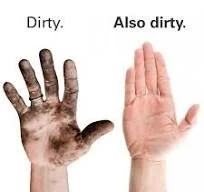
There’s a particular sting that comes from realizing someone you trusted has willingly, sometimes eagerly let you get your hands dirty while they stood off to the side, pristine and unbothered. Whether it’s a friend, a partner, a family member, or a colleague, the betrayal doesn’t always come from an outright act of harm. Sometimes it’s in the silence, the stillness, the carefully maintained distance as you wade into the muck on their behalf. And when the dust settles, they remain polished, untarnished, and most importantly, exempt from blame. But here’s the kicker…most people who find themselves elbow-deep in the mess for someone else didn’t stumble there accidentally. They walked into it, sometimes even volunteered. They wore their loyalty, their selflessness, or maybe just their naiveté as a badge of honor. They believed at least in the beginning that their sacrifice would mean something. That it would be seen, valued, and reciprocated. But more often than not, they are left staring at those metaphorically spotless hands and realizing something deeply uncomfortable: the person they sacrificed for was always okay with letting them get dirty.
This isn’t just about manipulation, though manipulation plays a role. It’s about perception. It’s about how we allow ourselves to be seen and how others choose to see us. Most importantly, it’s about value what people believe you are worth, not just to them, but in the grand scheme of their carefully curated image. At the core of these dynamics lies an unspoken value system. People who allow you to get your hands dirty for their benefit see you as a tool useful, perhaps even necessary, but ultimately replaceable. They may care about you, but they care about themselves more. The act of letting you take the fall, carry the weight, or shoulder the responsibility is not always malicious. Sometimes, it’s survival. But here’s the hard truth: if someone allows you to take the hit, it’s because they’ve already assessed your value and decided that you’re sturdy enough to survive it or, more painfully, that your suffering is an acceptable consequence.
Think about the archetypal “scapegoat” in workplaces, families, or friend groups. They’re often the people who are reliable, who can endure discomfort, and who most importantly …are willing. There’s a twisted admiration that comes with being the person others can lean on, even if they’re leaning in a way that breaks your back. And if you’re someone who’s been cast in this role more than once, it’s worth asking: Why do I keep stepping into this position? Is it loyalty? A fear of confrontation? A deeply ingrained belief that this is what it takes to be loved, respected, or needed? Because here’s the other ugly side of this: some people want to get their hands dirty. Not because they enjoy suffering, but because suffering has become their currency.
There’s a seductive quality to being “the one who takes the fall.” People may not admit it out loud, but there’s often a sense of pride, of quiet superiority, in being the one who “does the hard things” so others don’t have to. But this role comes with a price: resentment. At some point, the pride curdles into bitterness. You start noticing how clean everyone else’s hands are. You notice how easily they let you step forward, how rarely they fight to pull you back, how effortlessly they distance themselves when consequences arise. Psychologically, this dynamic often ties back to self-worth. People who consistently end up in these situations may subconsciously believe that their value lies in what they can do for others, not in who they are. They tether their worth to their usefulness, and in doing so, they make themselves an easy target for people who would rather not get their own hands dirty.
But the martyr role isn’t just about self-sacrifice…it’s about expectation. Somewhere deep down, there’s usually a hope, however faint, that the person you’re protecting will see your sacrifice, appreciate it, and one day return the favor.
Spoiler alert: they rarely do.
Why? Because in their eyes, you’re playing your part. They’ve already categorized you as the person who will step in, who will endure, and who will clean up the mess. And because you’ve proven them right so many times before, they see no reason to challenge that assumption. There’s no betrayal quite like the moment you realize someone you’ve protected won’t protect you in return. It feels personal because it is personal. But it’s also systemic. Most people operate within self-preservation. They will protect their reputation, their comfort, and their image at all costs. And if someone is willing to absorb those costs on their behalf? Even better. This is where expectation becomes dangerous. When you walk into the fire for someone else, you might expect gratitude, loyalty, or reciprocity. But often, what you’ll get instead is indifference or worse, irritation if you start to call attention to the imbalance.
They might say things like:
“No one asked you to do that.”
“Why are you making this such a big deal?”
“You knew what you were signing up for.”
These dismissals sting because they expose an uncomfortable truth: your sacrifice wasn’t seen as noble or admirable. It was seen as expected. So who gets to stay clean? It’s important to note that the people who get to keep their hands clean often hold some sort of power be it social, emotional, or even financial. They might be more charismatic, more well-liked, or simply more skilled at avoiding responsibility. They might be experts at playing the victim or masters of plausible deniability. But what they almost always share is an acute awareness of perception. They understand that staying clean is not just about avoiding blame; it’s about maintaining an image. And here’s where it gets especially messy: People who willingly dirty their hands for others often admire those who stay clean. They might resent them, yes, but they also envy their ability to sidestep accountability, to remain untarnished while chaos unfolds around them. This admiration creates a dangerous cycle. The person getting dirty keeps looking up to the person staying clean, hoping for approval, validation, or even a sliver of gratitude. But approval rarely comes. Why would it? From the clean hands perspective, the system is working just fine.
Eventually, something snaps. Maybe it’s a particularly egregious betrayal. Maybe it’s the realization that the person you’ve been protecting would never do the same for you. Or maybe it’s just exhaustion; pure, bone-deep exhaustion from carrying burdens that were never really yours to begin with.
Walking away from this dynamic requires a brutal level of self-honesty. You have to ask yourself:
Why did I keep showing up for this role?
What was I hoping to gain?
What does it mean about me if I stop volunteering to get my hands dirty?
The answers aren’t always pretty. Sometimes they reveal deep insecurities, unhealthy attachment styles, or fears of rejection and abandonment. But they also offer freedom and the chance to redefine your worth outside of what you can do for others. At their core, people who let others get their hands dirty while they stay clean are operating from a place of self-preservation. That doesn’t mean they’re evil, but it does mean they’re selfish. They’ve made a calculation be it conscious or unconscious that your discomfort is an acceptable trade-off for their peace. But the responsibility doesn’t just lie with them. It also lies with those of us who keep showing up, sleeves rolled up, ready to wade into the mess.
There’s a difference between being selfless and being self-sacrificial. One comes from a place of strength, the other from a place of fear. And until we can honestly examine which side of that line we’re standing on, we’ll keep finding ourselves in the same dirty situations, staring at someone else’s spotless hands, and wondering why we’re the only ones who ever seem to get stained. The truth is, no one will protect you better than you protect yourself. And sometimes, the bravest thing you can do is step back, cross your arms, and let someone else deal with the mess they’ve made.
